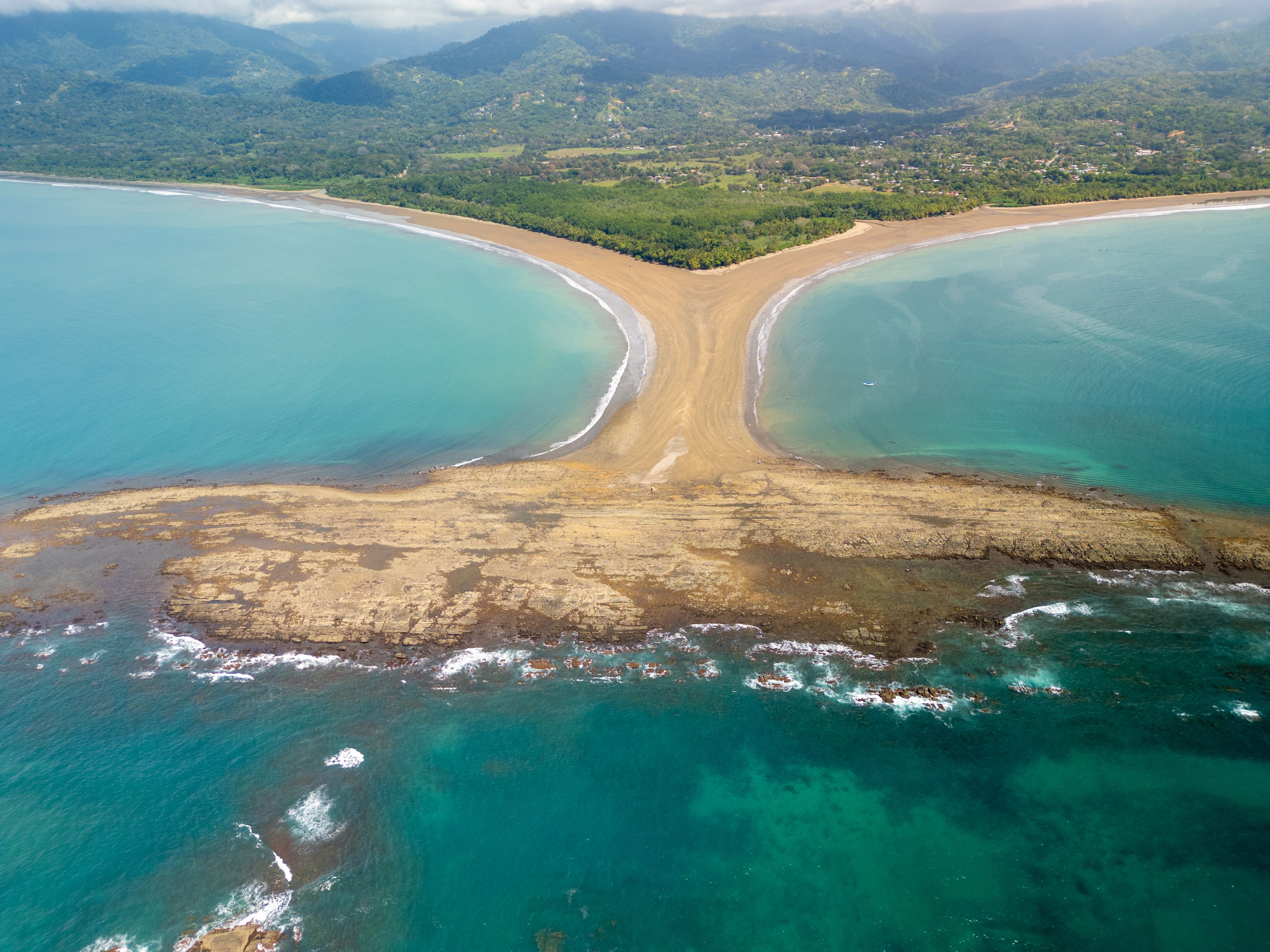
Costa Rica is one of the most visited countries in Central America. It's also one of the most efficiently packaged — which means the version most travelers experience has been filtered, marked up, and stripped of anything that might require local knowledge to find.
The extraordinary version of this country still exists. It just takes knowing where to look.
The Problem with Planning Costa Rica
Most travelers arrive with a shortlist assembled from travel blogs and TripAdvisor — the same national parks, the same resort zip lines, the same waterfall everyone else photographed last Tuesday.
That's not a bad trip. It's just not the whole country.
The experiences that define Costa Rica for the travelers who come back — who tell their friends, who plan a return before they've even left — are the ones that don't show up in a search result.
Places like Aquiares Coffee & Community — a working estate in the Turrialba highlands where coffee, conservation, and a living rural community share the same land. Or Veragua Rainforest, a private reserve near Limón where a research station and aerial tram sit inside 3,400 acres of jungle bordering the largest nature reserve in Central America. Or Nativo Adventure in the South Caribbean — a reforested private reserve near Puerto Viejo where the night tour reveals wildlife most travelers never know exists. Or Mistico Park in La Fortuna, where hanging bridges take you through the Arenal cloud forest at canopy level, without a tour group setting the pace.
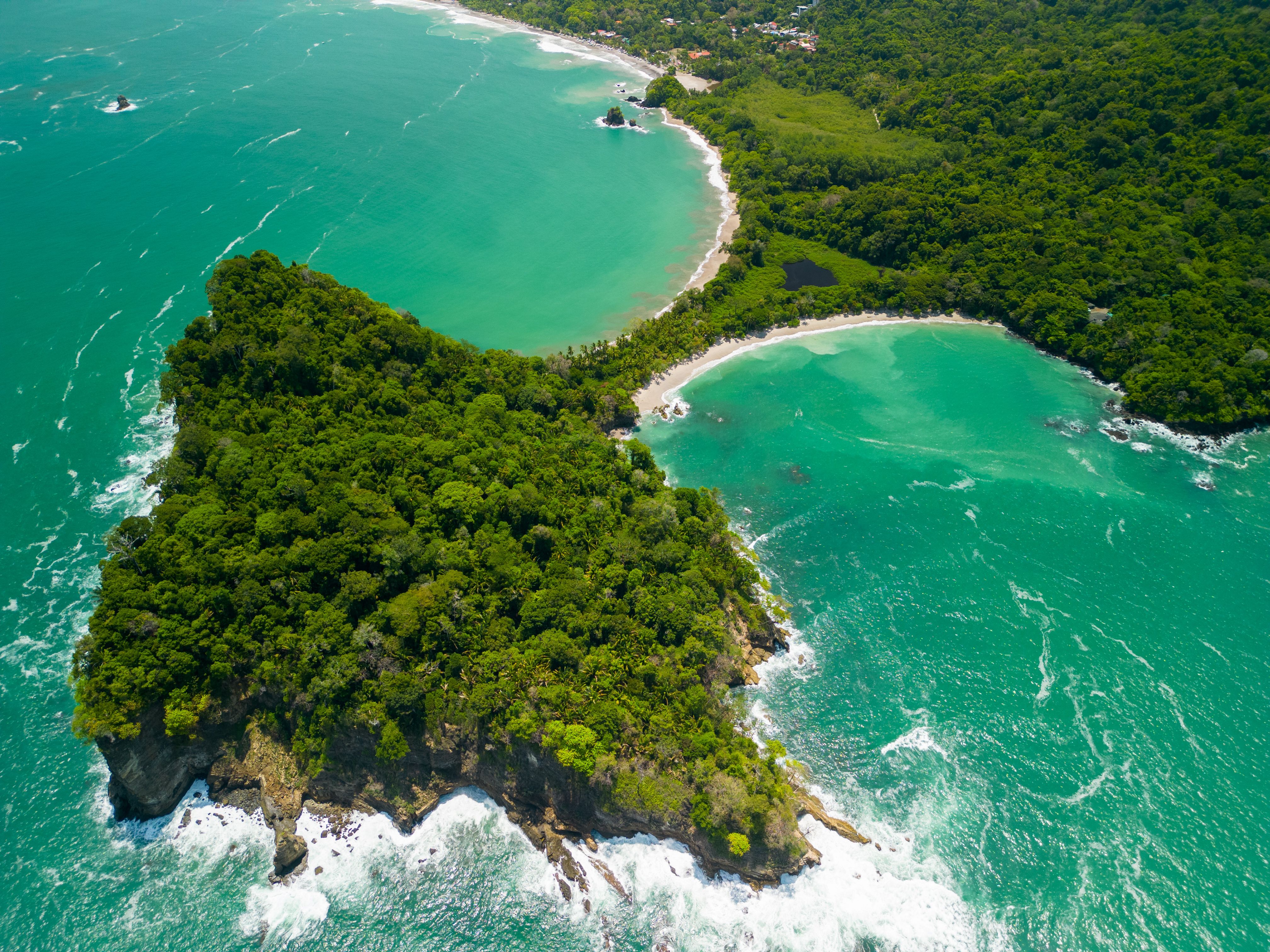
These experiences exist across every region. They're run by local operators who are extraordinary at what they do — and invisible to anyone who doesn't know where to find them.
That's the gap the Costa Rica Travel Pass was built to close.